
Though American Girl is an invaluable case study in unique and effective marketing strategy, no brand is perfect. To ensure a well-rounded analysis of the company’s ongoing impact 40 years after its founding, acknowledging the brand’s shortcomings is just as important as celebrating its strengths.
Representation: More to Do
Though American Girl has taken real strides toward representing a diverse customer base—from dolls with hearing aids to a “Girl of the Year” with same-sex great-aunts—critics point to gaps. The brand does consult advisory boards of historians and community members in the development of its dolls, but many communities are represented by only one or two characters—and critics argue that it’s not enough to capture a holistic view of each community’s identity. Some have also argued that having so few characters to represent so many different communities risks oversimplifying their history or leaning on stereotypes to tell their stories. These issues deserve their own in-depth post, but they’re worth flagging here as a starting point.
Cost compounds the problem. Classic dolls now run $115+ before accessories sold separately, which puts the full American Girl experience out of reach for many of the families the brand’s marketing claims to reflect—though this isn’t new. With prices starting at $82 in 1986, American Girl dolls have always been somewhat of a middle-class status symbol. More affordable lines like “Bitty Baby” and “WellieWishers” help—as does the large second-hand American Girl doll market—but there’s no denying the broader ecosystem remains expensive.
The Mattel Acquisition: A Brand Diluted?
Another source of critiques comes from Mattel’s eventual acquisition of American Girl in 1998, a business deal equating to roughly $1.38 billion in today’s dollars. Following the acquisition, American Girl founder Pleasant Rowland became Vice Chairman of Mattel and joined its board to stay involved for two years amidst the transition, until she retired in 2000. Following Rowland’s departure, Mattel no longer had her direct input to guide them. Though Mattel oversaw many of the ecosystem’s expansions, some American Girl fans feel the identity of the brand has drifted from the history that originally anchored it.
From its genesis, what has set American Girl apart from other toy brands is its deep educational roots. The six-book historical fiction series accompanying each classic doll gave children the space to connect with American history on a personal level; the original product line was also uniquely appealing to parents who, as one commentator put it, could justify the expense because it was educational; in other words, they were investing in more than just their children’s play. But Mattel’s strategy since its acquisition of American Girl seemingly prioritizes trends over opportunities for learning.
A key example of the deprioritization of historical storytelling is the launch of American Girl’s “BeForever” line in 2014—a rebrand of the historical line intended to modernize the classic characters and introduce new ones. In addition to re-releasing the classic historical dolls in different outfits, American Girl also reduced all six-book series to two. This move away from thorough storytelling to a more condensed iteration could be interpreted as a step away from the line’s original educational depth. Amidst changes like these, some fans argue that the brand now functions more similarly to Barbie, leaning on modern fashion rather than history and education.
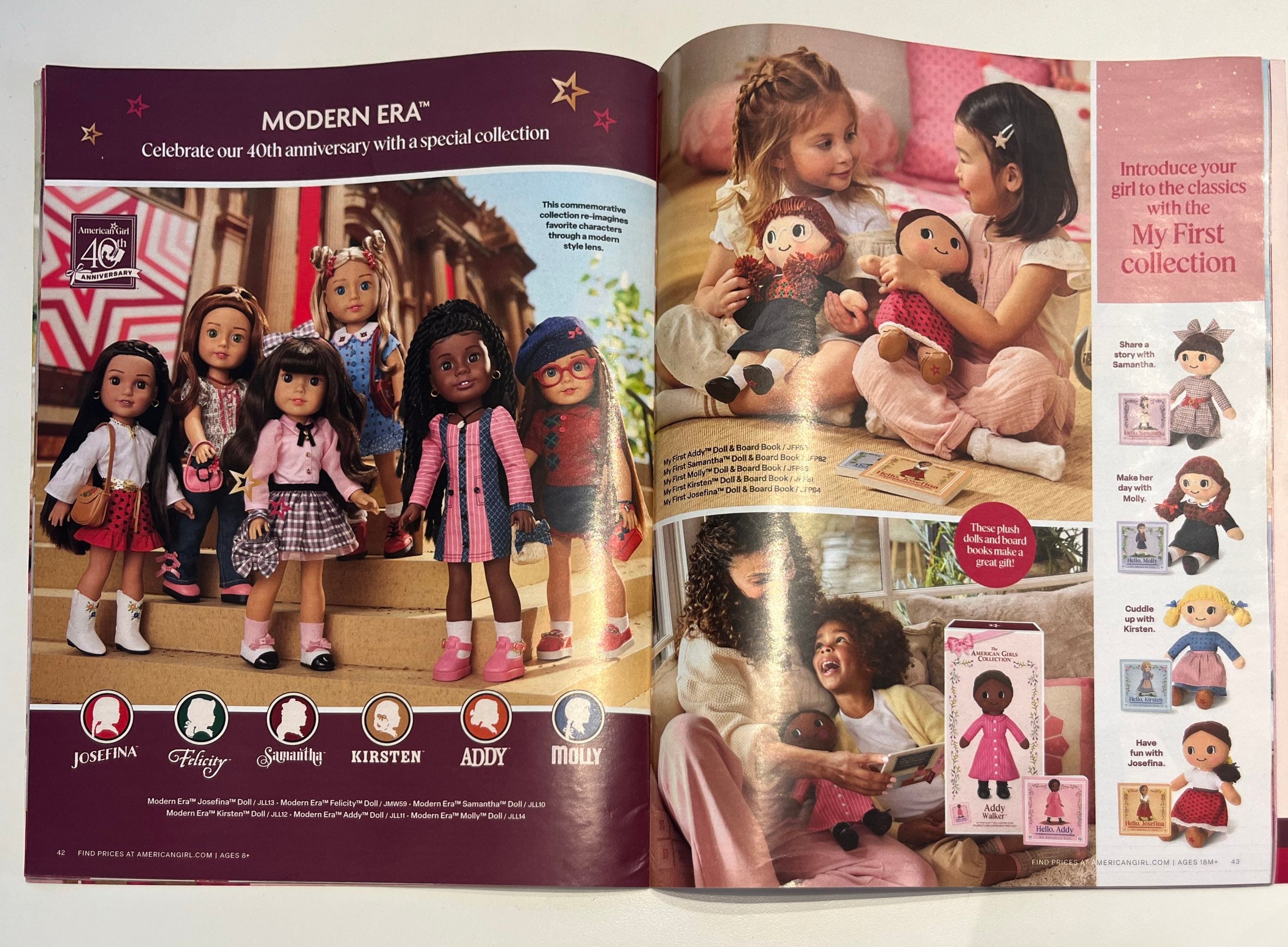
Another poignant example is the “Modern Era” line of dolls that Mattel released in celebration of the 40th anniversary of American Girl. Launched in February 2026, the line reimagines six of the classic historical characters—Samantha, Addy, Kirsten, Josefina, Molly, and Felicity—as smaller 14.5-inch dolls in contemporary outfits.
The fan response was visceral. The general consensus was that turning historical characters into modern-styled dolls defeats their entire purpose. Swapping period-accurate clothing and in-depth worldbuilding for mini skirts and abbreviated journals, fans argued, strips the dolls of everything that made them special in the first place. Others critique the dolls’ thinner proportions, comparing them to Bratz dolls, and some pointed out the $90 price tag for a doll that appears to be cheaply made.
Most of these critiques seemed to come from a Millennial audience with strong nostalgic ties to the original historical dolls and everything they represent, and the “Modern Era” line provides an interesting case study in nostalgia as a double-edged sword. The brand already has a loyal fanbase they can sell to, but any drastic changes to its products may read to that audience as a betrayal. Mattel’s own executives describe nostalgia as an entry point in their marketing strategy, not the endgame, so their ongoing challenge will be to appeal to a new generation of children without alienating their already loyal adult fanbase.
The Ultimate Secret Sauce: Nostalgia as a Marketing Tool
American Girl has such staying power, in part, because of the strong foundation the brand built in the 80s, 90s, and early 2000s. Many people who were steeped in the world of American Girl in childhood are now old enough to step into the role of buyers for their own children. It’s a cycle that self-perpetuates: because the original audience’s love of the brand persists, that audience feels compelled to pass the tradition down to the next generation. But more than that, these same people who grew up on American Girl dolls still engage with the brand for themselves—regardless of whether they have children.
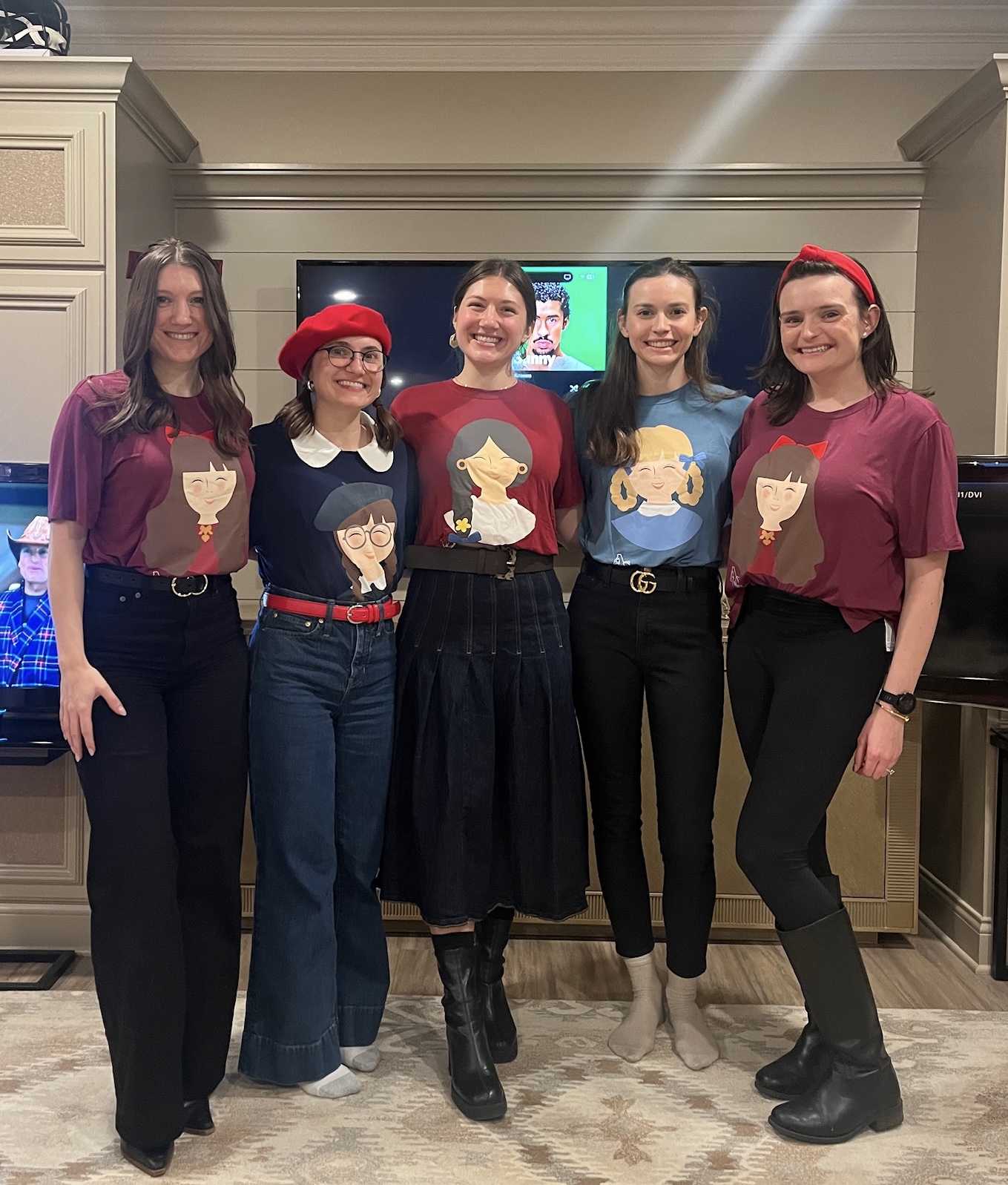
Nostalgia may only be an entry point in Mattel executives’ marketing strategy, but it’s a tool they’ve used time and time again in recent years to appeal to this grown-up audience in new ways. For example, they’ve partnered with retailers such as Hill House Home, Posh Peanut, Alex and Ani, and Stoney Clover Lane on a variety of American-Girl-inspired clothing, jewelry, and accessory lines specifically designed for adults, in addition to children.
They’ve also collaborated with brands of similar nostalgic caliber to their own including Disney, Harry Potter, and even Polly Pocket—harkening back to common Millennial and Gen-Z childhood experiences from multiple angles and leveraging their combined power through cross-over product lines. Though children remain American Girl’s primary audience, there’s no denying the powerful “kidult” market that’s on the rise, fueled by nostalgia and newfound buying power. If we learn anything from these examples, it’s that American Girl knows how to appeal to all ages.
One strategic way American Girl has connected their different audiences—particularly during their 40th-anniversary-year—is through its release of 2026 Girl of the Year doll, Raquel Reyes. As written in her storybooks, Raquel is a 10-year-old girl from Kansas City whose parents run a paleta shop, and she is, notably, the great-great-granddaughter of classic historical doll Samantha Parkington. Raquel’s journey shows her celebrating her Mexican-American heritage on her dad’s side and exploring the history of the women who came before her on her mom’s side. Dressed in a gingham dress and matching hairbow, Raquel’s appearance pays homage to the outfit Samantha wore when first introduced by American Girl. Prioritizing both diverse representation and the history of the classic dolls, Raquel’s story demonstrates American Girl’s ongoing efforts to honor the original brand mission as it continues evolving into the future.
Though effective strategy certainly has a role to play in American Girl’s continued success, it’s worth noting that the brand’s staying power isn’t fueled by thoughtful marketing alone—it also takes on a life of its own within the pop culture zeitgeist in the form of memes, podcasts, and even SNL skits. The memes and SNL sketches manifest as affectionate parody, playfully poking fun at the historical dolls’ heavy backstories that shaped the childhoods of so many Millennial and Gen-Z adults. Dolls of Our Lives, one of the most popular independently produced American-Girl-focused podcasts, plays a slightly different role; created by two UConn-educated historians, each episode offers thoughtful commentary on the classic dolls’ six-book series through a more academic lens. Whether humorous or educational, this fan-made content is both a product of American Girl’s nostalgic fanfare and a sign of its longevity as a brand. It ultimately points to the power of shared experience across generations, the impact of a truly unique brand identity, and perhaps the longing for the comforts of childhood that adults seem to feel in an increasingly complex world.
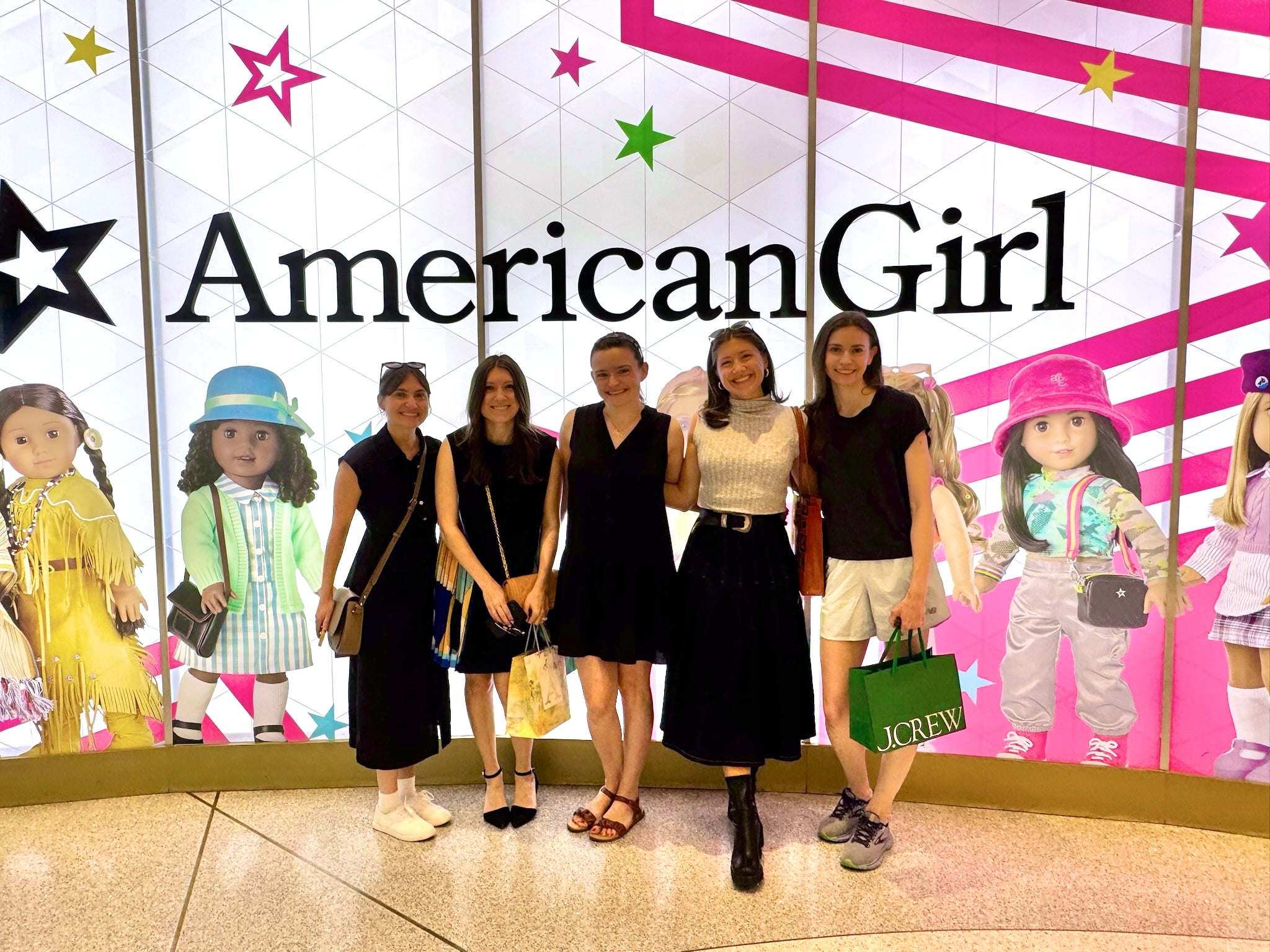
For the first time in two decades, I recently found myself back inside American Girl Place—this time, New York City’s flagship store location. It’s only natural that I was with the sisters and cousins I mentioned in Part 1 of this blog post. Though we didn’t stay long enough to enjoy any doll tea parties, it was nevertheless a fun jaunt down memory lane. We took some time to admire the classic historical dolls, fulfill our Millennial/Gen Z duty of scoffing at the newfangled “Modern Era” line, and snap a few photos against the wall of familiar faces: Samantha, Kirsten, Molly, Felicity, Addy, Josefina, Kit, and Kaya.
Watching young girls walk around the store having the same formative experience I once did, I felt a familiar pang of nostalgia, and I think that’s by design. Forty years after its inception, American Girl continues to nurture a world where a doll isn’t just a doll, but also a meaningful source of memory-making for people of all ages. My sisters, cousins, and I are proof that American Girl’s legacy is alive and well. The happy memories we associate with our dolls are what drew us back into the store in the first place, and what makes us excited to pass the tradition down to my cousin’s daughter someday. That is the magic of American Girl.
You might also like:
Rare Bird delivers versatile marketing and digital solutions to diverse clientele across nearly every industry. Ready to leverage our expertise to address your business needs?
Let's talk.